Shemushi Class 9 Sanskrit NCERT Chapter 1: Understanding the Evolution of Indian Society
Shemushi Class 9 Sanskrit NCERT Chapter 1: Understanding the Evolution of Indian Society
The Shemushi Class 9 Sanskrit NCERT Chapter 1 delves into the transformative period in Indian history, spanning from 700 to 1750, which saw the introduction of novel technologies, culinary items, and cultural practices that significantly impacted the Indian subcontinent. This era, marked by the influx of innovative ideas and tools, is a testament to the dynamic nature of Indian society, which is a key aspect of the Shemushi Class 9 Sanskrit NCERT Chapter 1. The evolution of Indian society during this period is closely tied to the concepts explored in the Shemushi Class 9 Sanskrit NCERT Chapter 1, making it essential for students to grasp these developments.
Introduction to Sanskrit and Its Significance
Sanskrit, as a language, played a pivotal role in the cultural and intellectual landscape of India during this period. The Shemushi Class 9 Sanskrit NCERT Chapter 1 highlights the importance of Sanskrit in understanding the historical context of India. For instance, the works of ancient Indian scholars, such as Aryabhata and Varahamihira, demonstrate the significance of Sanskrit in the development of Indian astronomy and mathematics. Moreover, the Shemushi Class 9 Sanskrit NCERT Chapter 1 emphasizes the need for students to appreciate the cultural and historical context of Sanskrit, which is essential for a deeper understanding of Indian society.
Key Takeaways
The Shemushi Class 9 Sanskrit NCERT Chapter 1 provides valuable insights into the evolution of Indian society, with a focus on the transformative period between 700 and 1750. Key takeaways from this chapter include the impact of new technologies, the introduction of new foods and beverages, and the significance of Sanskrit in understanding Indian culture and history. These concepts are crucial for students to grasp, as they form the foundation of the Shemushi Class 9 Sanskrit NCERT Chapter 1.
As students delve into the Shemushi Class 9 Sanskrit NCERT Chapter 1, they will encounter various examples that illustrate the dynamic nature of Indian society during this period. For example, the introduction of the Persian wheel in irrigation led to significant improvements in agricultural productivity, while the spinning wheel in weaving enabled the mass production of textiles.

Understanding the Impact of New Technologies
The Shemushi Class 9 Sanskrit NCERT Chapter 1 explores the impact of new technologies on Indian society, including the development of firearms, which revolutionized combat and warfare. This period also saw the introduction of new culinary items, such as potatoes, corn, and chillies, which had a profound impact on Indian cuisine. Furthermore, the Shemushi Class 9 Sanskrit NCERT Chapter 1 highlights the significance of tea and coffee, which became integral to Indian culture and trade. The evolution of Indian society during this period is closely tied to the concepts explored in the Shemushi Class 9 Sanskrit NCERT Chapter 1, making it essential for students to grasp these developments.
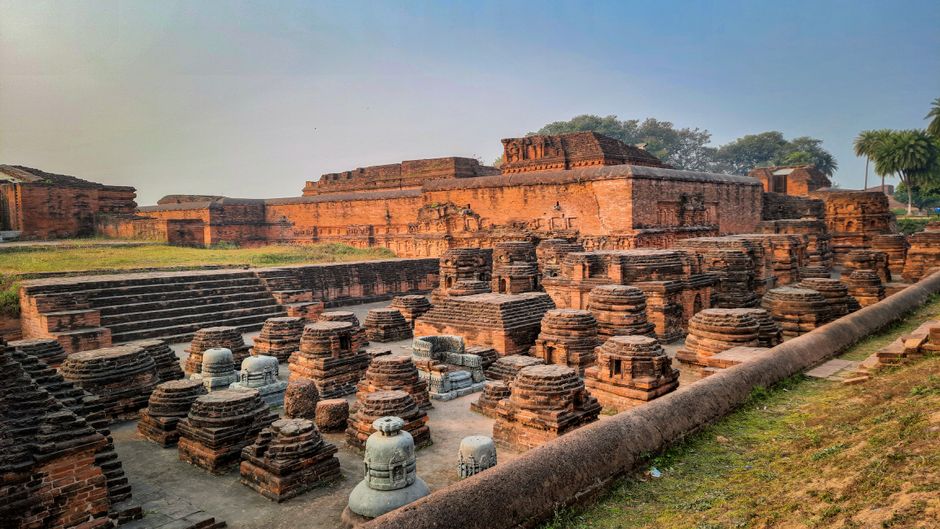
To better understand the significance of Sanskrit in the Shemushi Class 9 Sanskrit NCERT Chapter 1, students can consider the example of the ancient Indian university, Nalanda, which was a hub of learning and intellectual inquiry. The works of scholars at Nalanda, written in Sanskrit, demonstrate the importance of this language in the development of Indian knowledge systems.
Appreciating the Cultural and Historical Context
The Shemushi Class 9 Sanskrit NCERT Chapter 1 emphasizes the need for students to appreciate the cultural and historical context of Sanskrit, which is essential for a deeper understanding of Indian society. By exploring the evolution of Indian society during the transformative period between 700 and 1750, students can gain valuable insights into the significance of Sanskrit and its role in shaping Indian culture and history. The Shemushi Class 9 Sanskrit NCERT Chapter 1 provides a comprehensive understanding of the subject, making it an essential resource for students.
Practice Quiz
1. What was the significance of the Persian wheel in irrigation during the period between 700 and 1750?
Click to Show Answer
2. How did the introduction of new culinary items, such as potatoes and corn, impact Indian cuisine?
Click to Show Answer
3. What was the significance of the spinning wheel in weaving during this period?
Click to Show Answer
4. How did the development of firearms impact combat and warfare in India during this period?
Click to Show Answer
5. What is the significance of Sanskrit in understanding the cultural and historical context of India during this period?
Click to Show Answer
Frequently Asked Questions
Q: What is the significance of the Shemushi Class 9 Sanskrit NCERT Chapter 1 in understanding Indian history?
A: The Shemushi Class 9 Sanskrit NCERT Chapter 1 provides a comprehensive understanding of the evolution of Indian society during the transformative period between 700 and 1750, making it an essential resource for students.
Q: How did the introduction of new technologies impact Indian society during this period?
A: The introduction of new technologies, such as the Persian wheel and firearms, had a significant impact on Indian society, leading to improvements in agricultural productivity, the growth of the Indian textile industry, and changes in military tactics.
Q: What is the importance of Sanskrit in understanding Indian culture and history?
A: Sanskrit is essential for understanding Indian culture and history, as it provides valuable insights into the development of Indian knowledge systems, literature, and culture.
Q: How did the introduction of new culinary items, such as potatoes and corn, impact Indian cuisine?
A: The introduction of new culinary items, such as potatoes and corn, had a profound impact on Indian cuisine, leading to the development of new dishes and flavors that are still popular today.
Q: What is the significance of the Shemushi Class 9 Sanskrit NCERT Chapter 1 in the CBSE curriculum?
A: The Shemushi Class 9 Sanskrit NCERT Chapter 1 is a crucial component of the CBSE curriculum, providing students with a comprehensive understanding of the evolution of Indian society and the significance of Sanskrit in understanding Indian culture and history.
Comments
Post a Comment