Maps and Directions Class 4 Social Science CBSE
Maps and Directions Class 4 Social Science CBSE
Maps and Directions Class 4 Social Science CBSE is an essential topic that helps students understand how to navigate and identify different locations on a map. In this chapter, students will learn about various types of maps, how to read them, and understand the concept of directions. The primary keyword, Maps and Directions Class 4 Social Science CBSE, will be explored in detail to provide a comprehensive understanding of the subject.
Introduction to Maps
A map is a visual representation of an area, showcasing its features, boundaries, and relationships between different components. It is a tool used to convey geographical information, helping users to understand the layout of a place. Maps can be categorized into different types, including physical maps, political maps, and thematic maps. Each type of map serves a specific purpose, providing unique information about the area it represents.
Key Takeaways
The key takeaways from this chapter include understanding the basics of map reading, identifying different types of maps, and grasping the concept of directions. Students will learn how to use maps to navigate, locate places, and understand the relationships between various geographical features. The primary keyword, Maps and Directions Class 4 Social Science CBSE, will be reinforced throughout the chapter to provide a clear understanding of the subject.
Understanding Directions
Directions are an essential aspect of map reading, helping users to navigate and identify locations. The four primary directions are north, south, east, and west. These directions can be further divided into intermediate directions, such as northeast, southeast, northwest, and southwest. Understanding directions is crucial for map reading, as it enables users to locate places and move around with ease.
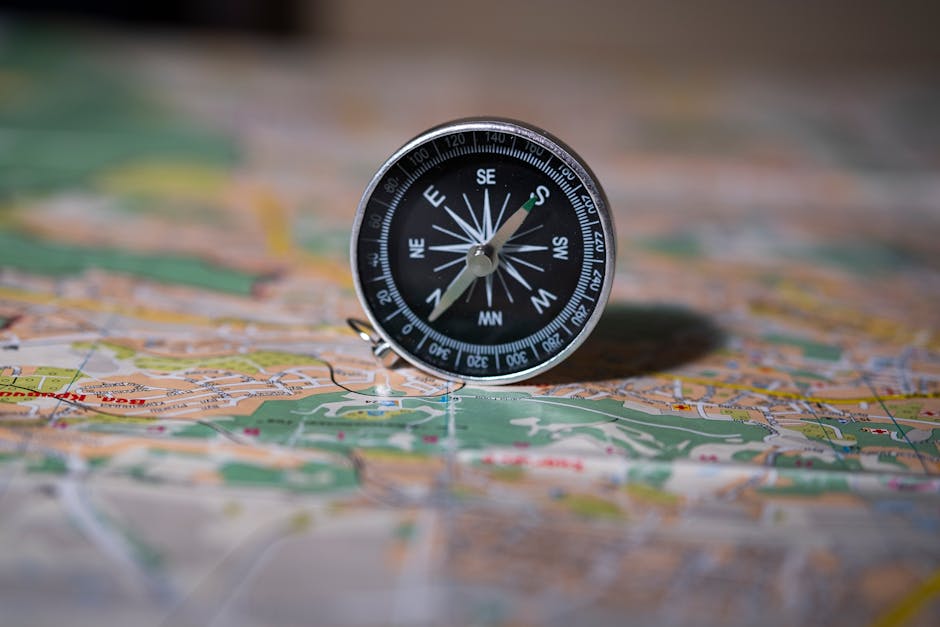
A good example of using directions is when you are traveling to a new city. You can use a map to identify the location of your hotel, the nearest airport, and other important landmarks. By understanding the directions, you can navigate the city with ease and reach your destination without getting lost.
Types of Maps
There are several types of maps, each serving a specific purpose. Physical maps show the natural features of an area, such as mountains, rivers, and forests. Political maps, on the other hand, display the boundaries and names of cities, states, and countries. Thematic maps are used to represent specific data, such as population density, climate, or economy. Understanding the different types of maps is essential for effective map reading and navigation.
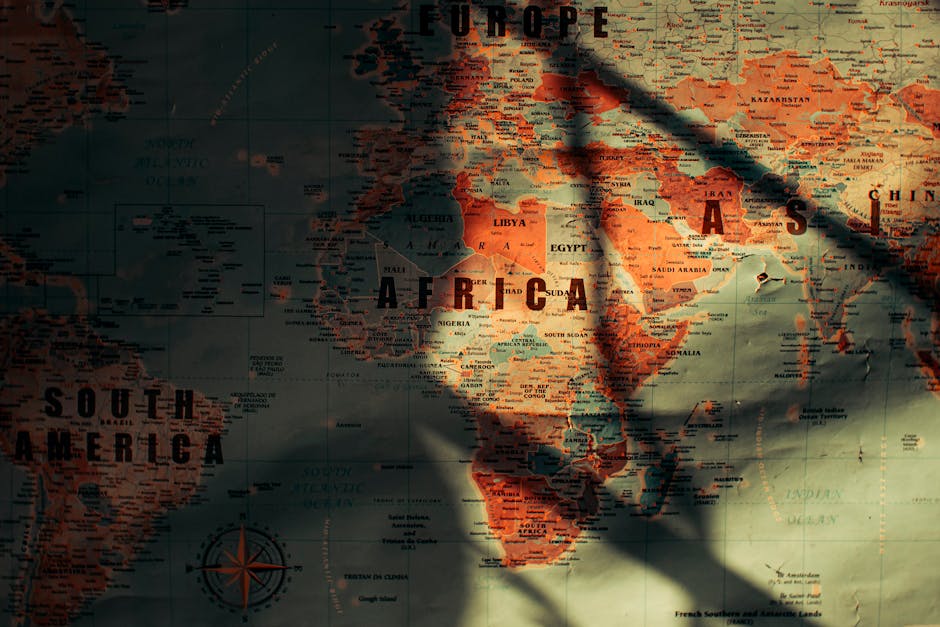
For instance, a physical map can be used to identify the location of a mountain range, while a political map can be used to locate the capital city of a country. Thematic maps can be used to analyze data and understand trends and patterns.
Practice Quiz
1. What is the primary purpose of a map?
Click to Show Answer
2. What are the four primary directions?
Click to Show Answer
3. What is the difference between a physical map and a political map?
Click to Show Answer
4. How can thematic maps be used?
Click to Show Answer
5. Why is it essential to understand directions when reading a map?
Click to Show Answer
Frequently Asked Questions
Q: What is the importance of maps in our daily lives?A:
Maps are essential in our daily lives, as they help us navigate and identify locations. They provide valuable information about the area, enabling us to make informed decisions and plan our routes effectively. Q: How can we use maps to learn about different cultures?A:
Maps can be used to learn about different cultures by identifying the location of various countries, states, and cities. By studying the maps, we can gain insight into the history, customs, and traditions of different cultures. Q: What are the benefits of using thematic maps?A:
Thematic maps are beneficial, as they provide a visual representation of specific data, enabling us to analyze trends and patterns. They can be used to represent a wide range of data, including population density, climate, and economy. Q: How can we use maps to plan a trip?A:
Maps can be used to plan a trip by identifying the location of the destination, the nearest airport, and other important landmarks. By studying the maps, we can plan our route, book our accommodations, and make informed decisions about our trip. Q: What is the difference between a map and a globe?A:
A map is a two-dimensional representation of an area, while a globe is a three-dimensional representation of the Earth. Globes provide a more accurate representation of the Earth's shape and size, while maps provide a more detailed representation of the area.
Comments
Post a Comment