Electricity Class 10 Science NCERT CBSE
Electricity Class 10 Science NCERT CBSE
The study of electricity is a vital part of the Class 10 Science curriculum, as outlined in the NCERT CBSE syllabus. Electricity Class 10 Science NCERT CBSE is a comprehensive chapter that covers various aspects of electricity, including electric current, voltage, resistance, and circuits. In this chapter, students learn about the fundamentals of electricity, including the definition of electric current, the concept of voltage, and the importance of resistance in electric circuits.
Introduction to Electricity
Electricity is a form of energy that is generated by the movement of charged particles, such as electrons. It is a fundamental part of our daily lives, powering everything from our homes and schools to our cars and electronic devices. The study of electricity is essential for understanding how to harness and utilize this energy efficiently. In the context of Class 10 Science, the study of electricity is focused on the basics of electric circuits, including the definition of electric current, voltage, and resistance.
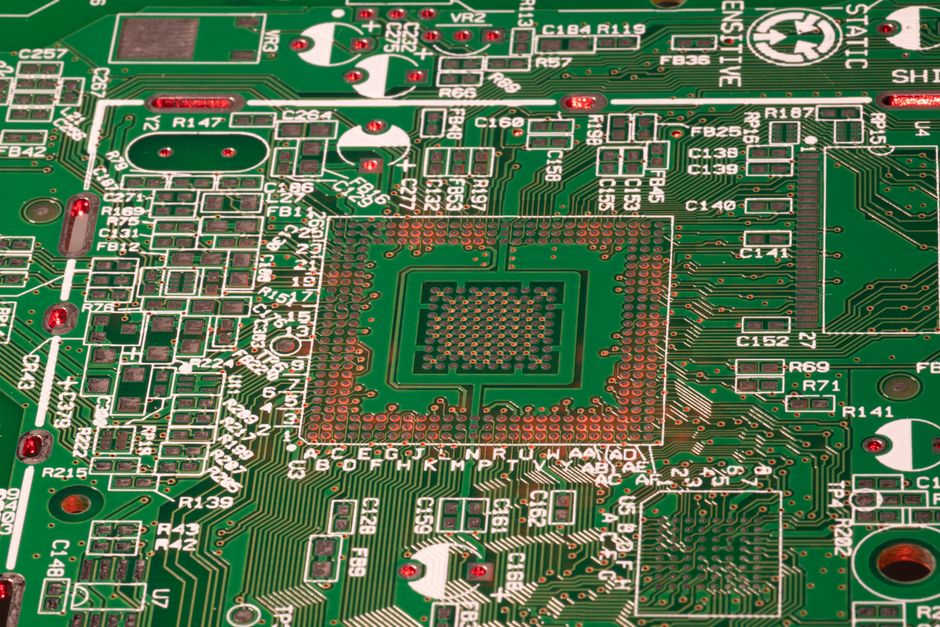
Photo by Nic Wood on Pexels
Key Takeaways
The key takeaways from the study of Electricity Class 10 Science NCERT CBSE include an understanding of the basics of electric circuits, including the definition of electric current, voltage, and resistance. Students also learn about the importance of Ohm's Law and how it relates to electric circuits. Additionally, students learn about the different types of electric circuits, including series and parallel circuits, and how to calculate the total resistance and current in these circuits.
Electric Current and Voltage
Electric current is the flow of electrons through a conductor, such as a wire. It is measured in amperes (A) and is defined as the rate of flow of charge through a given area. Voltage, on the other hand, is the potential difference between two points in a circuit and is measured in volts (V). The relationship between electric current and voltage is governed by Ohm's Law, which states that the current through a conductor is directly proportional to the voltage across the conductor.

Photo by Burak The Weekender on Pexels
Resistance and Circuits
Resistance is the opposition to the flow of electric current through a conductor. It is measured in ohms (Ω) and is an important factor in determining the behavior of electric circuits. Electric circuits can be classified into two main types: series circuits and parallel circuits. In a series circuit, the components are connected one after the other, while in a parallel circuit, the components are connected between the same two points. The total resistance and current in these circuits can be calculated using Ohm's Law and Kirchhoff's laws.
Context & Moral Lesson
The study of electricity has numerous practical applications in our daily lives. It is essential to understand the basics of electric circuits and how to harness and utilize electricity efficiently. However, it is also important to remember the moral implications of our actions and to use electricity responsibly. We must be mindful of the environmental impact of our energy consumption and strive to reduce our carbon footprint. By doing so, we can ensure a sustainable future for ourselves and for future generations.
Practice Quiz
1. What is the definition of electric current?
Click to Show Answer
2. What is the relationship between electric current and voltage?
Click to Show Answer
3. What is the definition of resistance?
Click to Show Answer
4. What are the two main types of electric circuits?
Click to Show Answer
5. What is the importance of Ohm's Law in electric circuits?
Click to Show Answer
Frequently Asked Questions
Q: What is the definition of electric current?
A: Electric current is the flow of electrons through a conductor, such as a wire. It is measured in amperes (A) and is defined as the rate of flow of charge through a given area.
Q: What is the relationship between electric current and voltage?
A: The relationship between electric current and voltage is governed by Ohm's Law, which states that the current through a conductor is directly proportional to the voltage across the conductor.
Q: What is the definition of resistance?
A: Resistance is the opposition to the flow of electric current through a conductor. It is measured in ohms (Ω) and is an important factor in determining the behavior of electric circuits.
Q: What are the two main types of electric circuits?
A: The two main types of electric circuits are series circuits and parallel circuits. In a series circuit, the components are connected one after the other, while in a parallel circuit, the components are connected between the same two points.
Q: What is the importance of Ohm's Law in electric circuits?
A: Ohm's Law is essential in electric circuits as it relates the electric current, voltage, and resistance of a conductor. It is used to calculate the total resistance and current in electric circuits and is a fundamental principle in the design and analysis of electric circuits.
Comments
Post a Comment