Ecosystem Class 12 Biology NCERT CBSE: A Comprehensive Guide
Ecosystem Class 12 Biology NCERT CBSE: A Comprehensive Guide
The term "ecosystem" refers to a complex network of relationships between living organisms, such as plants, animals, and microorganisms, and their non-living environment, including factors like climate, soil, and water. In the context of Class 12 Biology NCERT CBSE, understanding ecosystems is crucial for grasping the intricacies of the natural world and our impact on it. The Ecosystem Class 12 Biology NCERT CBSE chapter provides a detailed overview of the structure, functions, and types of ecosystems, as well as the importance of conservation and management.
Key Takeaways
Key concepts in the Ecosystem Class 12 Biology NCERT CBSE chapter include the definition and characteristics of ecosystems, the differences between terrestrial and aquatic ecosystems, the role of producers, consumers, and decomposers, and the impact of human activities on ecosystems. Students will also learn about the various types of ecosystems, including forests, grasslands, deserts, and wetlands, and the unique features and adaptations of each. The chapter also emphasizes the importance of ecosystem services, such as air and water purification, soil formation, and climate regulation.
The Ecosystem Class 12 Biology NCERT CBSE chapter is a critical component of the CBSE Class 12 Biology curriculum, carrying significant weightage in the board exams. Students are expected to have a thorough understanding of the concepts and principles outlined in the chapter, as well as the ability to apply this knowledge to real-world scenarios and case studies.
Understanding Ecosystems
An ecosystem can be thought of as a self-contained unit, where living organisms interact with their environment to form a complex web of relationships. For example, in a forest ecosystem, trees provide shade and shelter for animals, while also producing oxygen through photosynthesis. In turn, animals help to disperse seeds and nutrients, maintaining the health and diversity of the forest.

The structure of an ecosystem includes both biotic and abiotic components. Biotic components refer to the living organisms, such as plants, animals, and microorganisms, while abiotic components include non-living factors like climate, soil, and water. The functions of an ecosystem include energy flow, nutrient cycling, and population dynamics, all of which are essential for maintaining the balance and stability of the ecosystem.
Types of Ecosystems
There are several types of ecosystems, each with its unique characteristics and features. Terrestrial ecosystems, such as forests, grasslands, and deserts, are found on land, while aquatic ecosystems, including freshwater and marine ecosystems, are found in water.
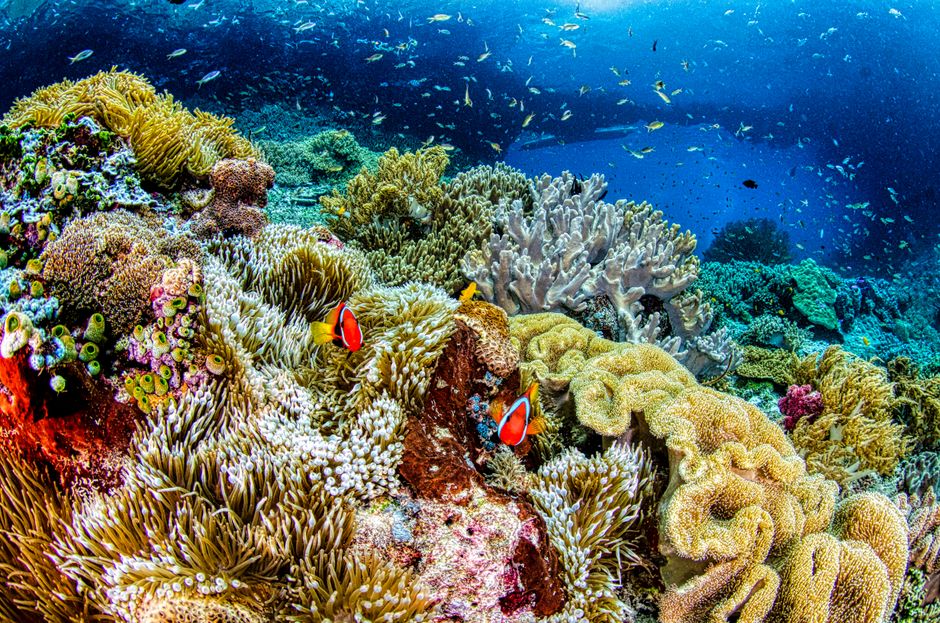
Each type of ecosystem has its own set of adaptations and strategies for survival, from the deep roots of desert plants to the complex social structures of coral reef communities. Understanding these differences is essential for appreciating the diversity and complexity of ecosystems and for developing effective conservation and management strategies.
Conservation and Management
The Ecosystem Class 12 Biology NCERT CBSE chapter emphasizes the importance of conservation and management of ecosystems. Human activities, such as deforestation, pollution, and overfishing, can have devastating impacts on ecosystems, leading to loss of biodiversity, degradation of ecosystem services, and disruption of nutrient cycles.
Students will learn about the various strategies for conserving and managing ecosystems, including protected areas, sustainable resource use, and ecosystem restoration. The chapter also highlights the role of individuals, communities, and governments in promoting ecosystem conservation and sustainability.
Practice Quiz
1. What is the primary function of producers in an ecosystem?
Click to Show Answer
2. What is the difference between a terrestrial and an aquatic ecosystem?
Click to Show Answer
3. What is the role of decomposers in an ecosystem?
Click to Show Answer
4. What is the impact of human activities on ecosystems?
Click to Show Answer
5. What is the importance of ecosystem conservation and management?
Click to Show Answer
Frequently Asked Questions
Q: What is the definition of an ecosystem?A: An ecosystem is a complex network of relationships between living organisms and their non-living environment, including factors like climate, soil, and water.
Q: What are the different types of ecosystems?A: There are several types of ecosystems, including terrestrial ecosystems (forests, grasslands, deserts) and aquatic ecosystems (freshwater and marine ecosystems).
Q: What is the role of producers in an ecosystem?A: Producers, such as plants and algae, are responsible for converting sunlight into energy through photosynthesis, providing the base of the food web and supporting the entire ecosystem.
Q: What is the impact of human activities on ecosystems?A: Human activities, such as deforestation, pollution, and overfishing, can have devastating impacts on ecosystems, leading to loss of biodiversity, degradation of ecosystem services, and disruption of nutrient cycles.
Q: Why is ecosystem conservation and management important?A: Ecosystem conservation and management are essential for maintaining the health and stability of ecosystems, providing ecosystem services, and supporting human well-being and sustainable development.
Comments
Post a Comment